
Introduction
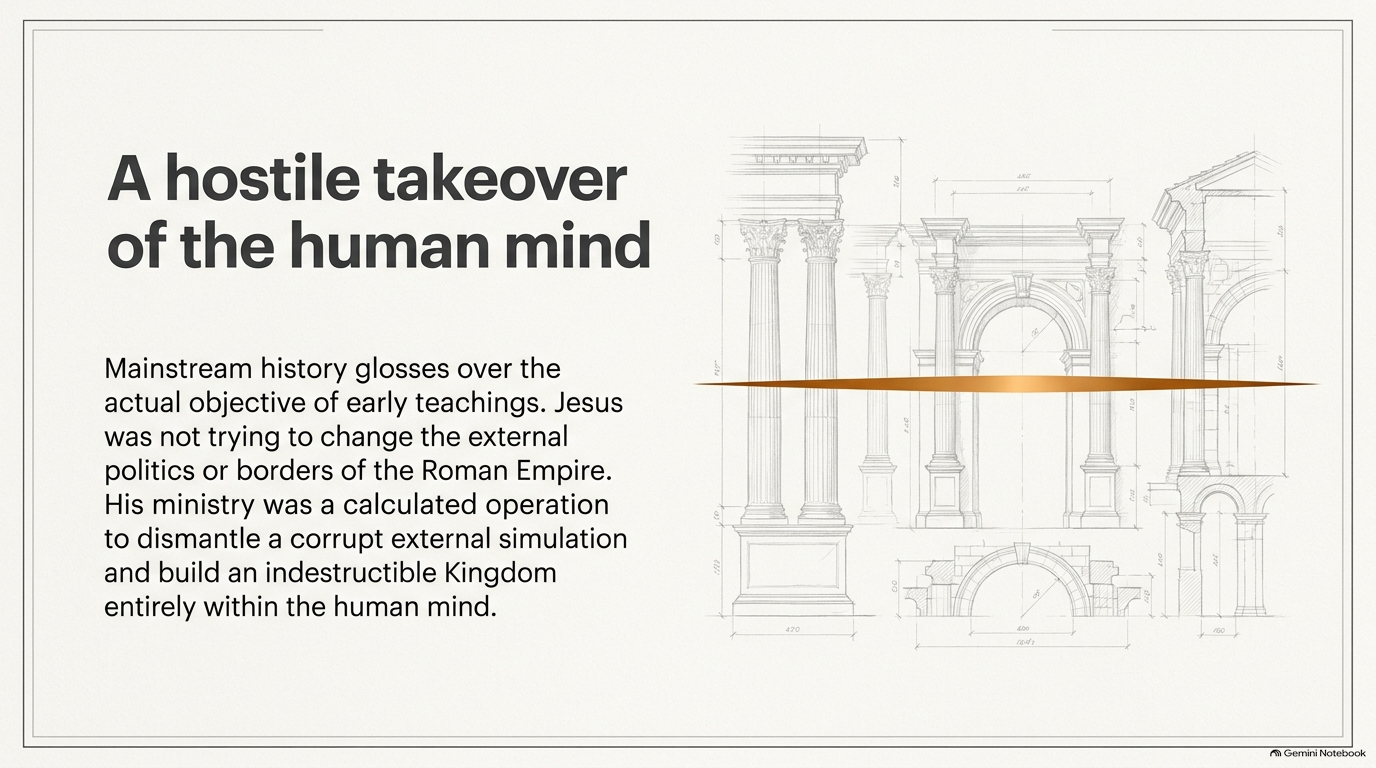
What if one of the most radical movements in human history wasn't focused on reforming external politics, but on staging a total, hostile takeover of the human mind?
Through this lesson, you will explore the foundational mechanics of Jesus's teachings and the early movement known as "The Way," learning how they dismantled external social structures to build an inner reality. Specifically, you will be able to:
Deconstruct the Greek phrase entos hymon in Luke 17:21 and evaluate its translation.
Analyze how "The Way" systematically detached from societal "props" like wealth, status, and physical reliance.
Explain the cognitive mechanics of parables as active mental simulations.
Synthesize ancient internal survival strategies with modern practices of personal agency and inner reflection.
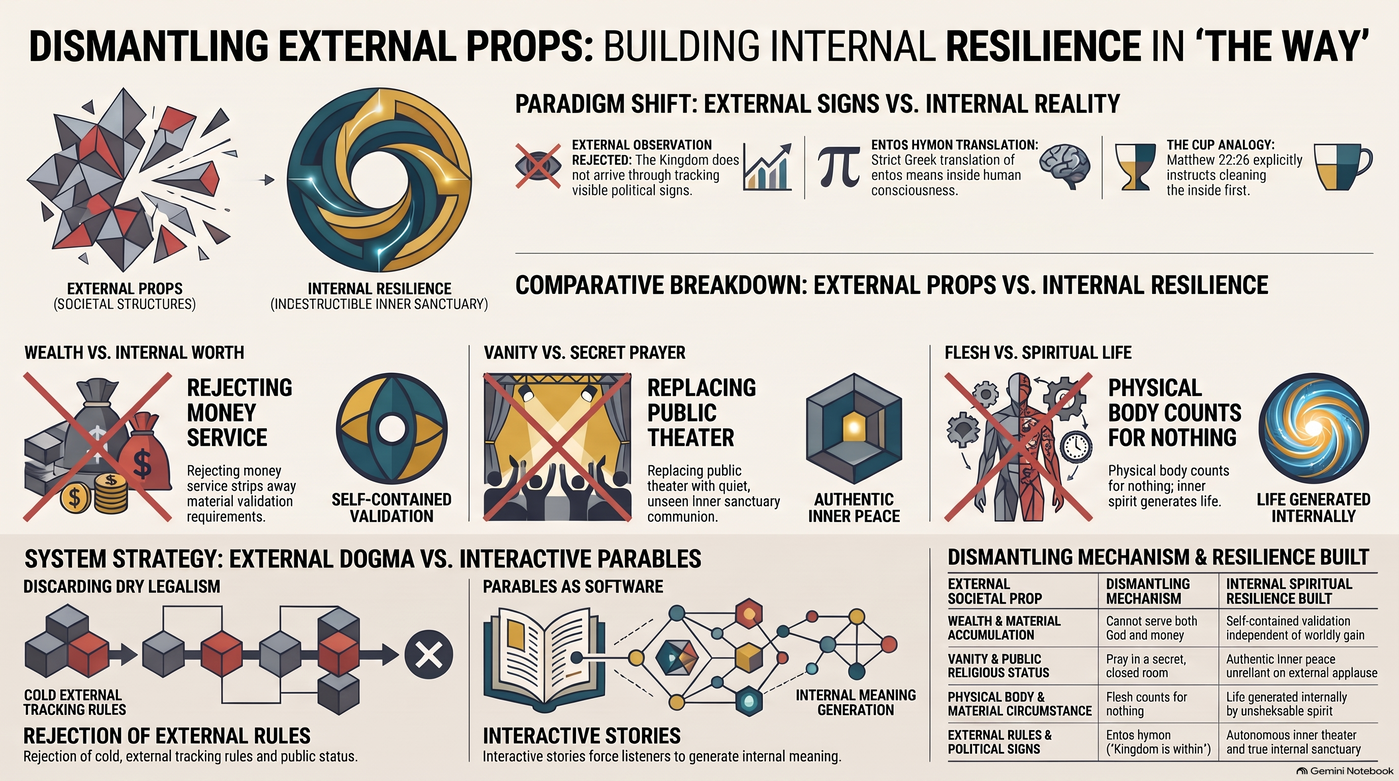
Decoding Entos Hymon: The Internal Kingdom
Imagine standing before a group of authority figures obsessed with physical rules, observable signs, and social status. That is precisely the setting of Luke 17:21, where the Pharisees confronted Jesus to ask when the Kingdom of God would finally arrive.
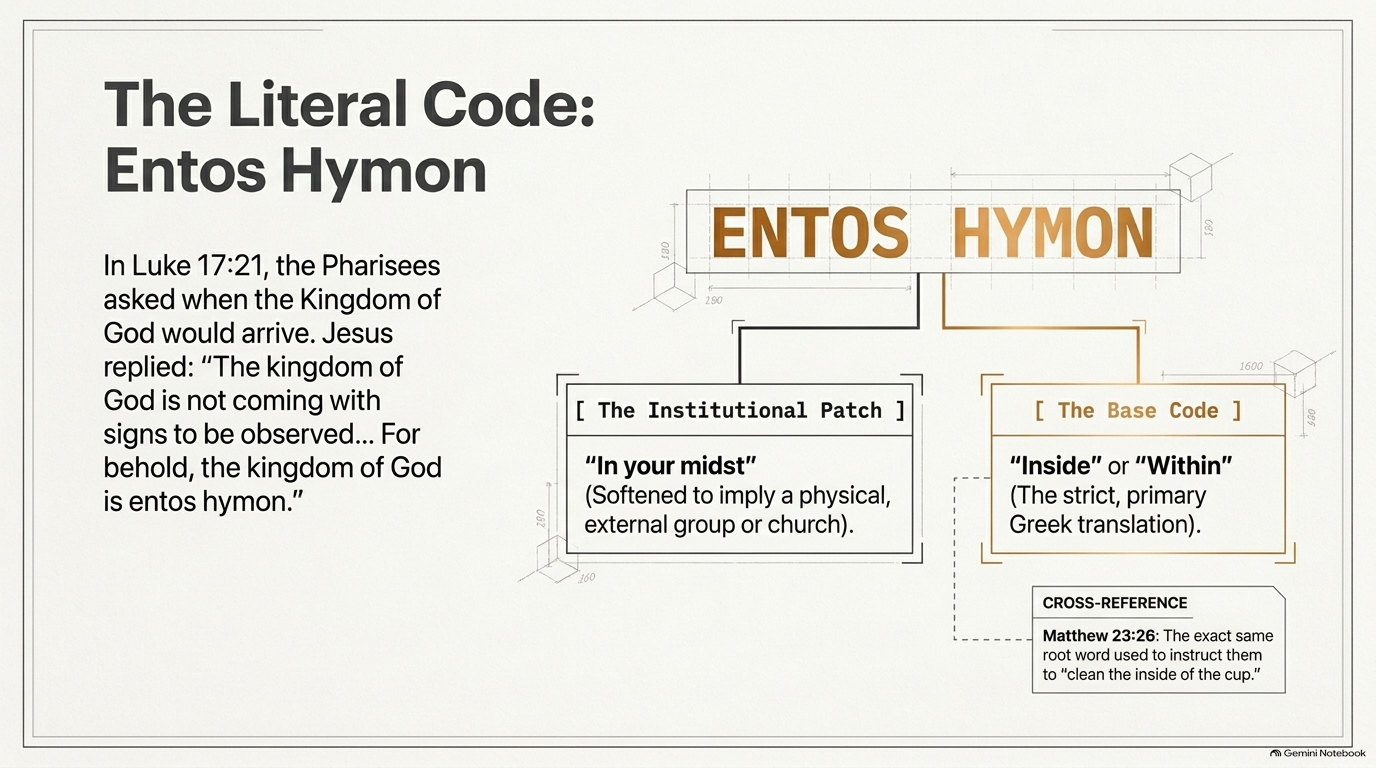
His response flipped their entire worldview upside down: "The kingdom of God is not coming with signs to be observed; nor will they say, 'Look, here it is!' or 'There!' For behold, the kingdom of God is within you."
To understand the depth of this statement, we have to look at the original Greek text. The crucial phrase used is entos hymon:
The Strict Definition: While some modern institutional translations try to soften the phrase to "in your midst" (attempting to make it about a physical group), the strict, primary meaning of entos is explicitly "inside" or "within."
Textual Proof: This exact same Greek word (entos) is used in Matthew 23:26, where Jesus instructs the Pharisees to clean the inside of the cup.
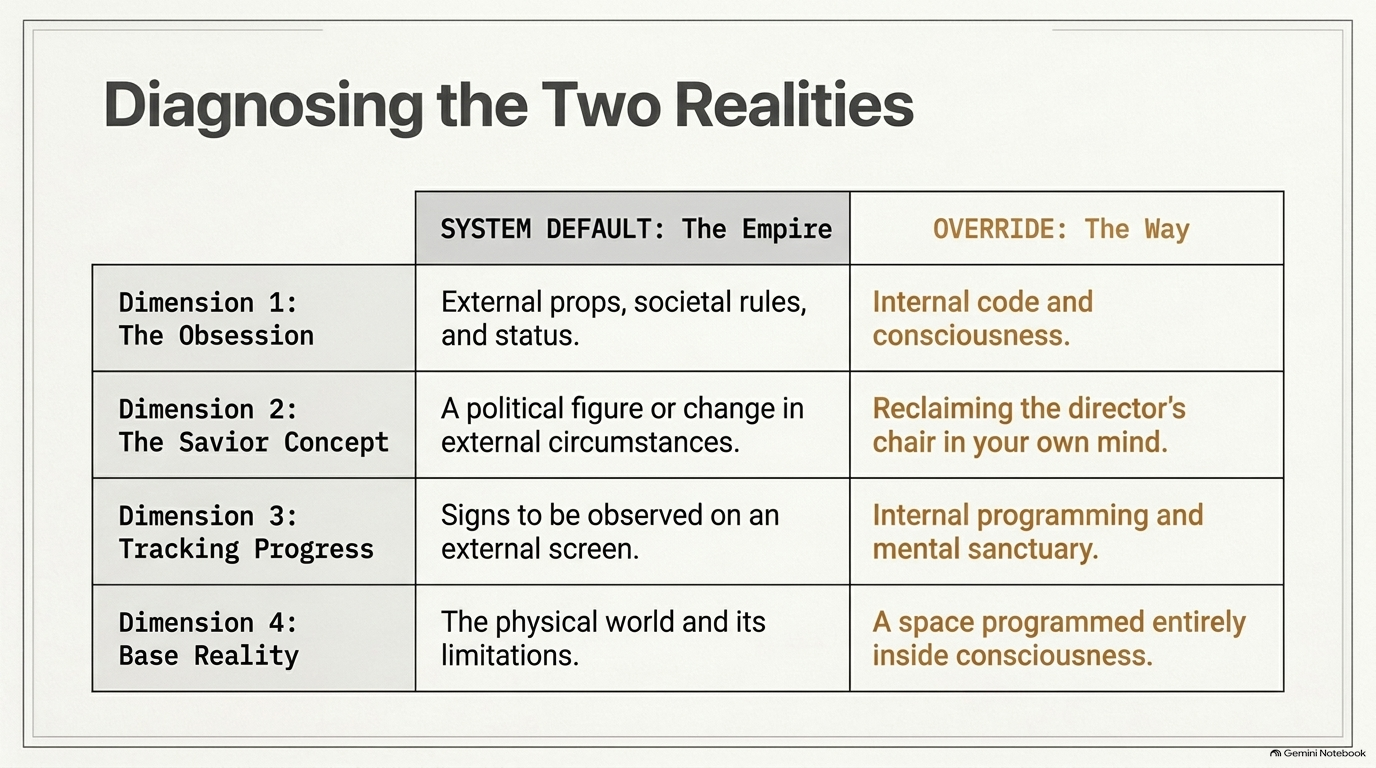
By issuing this answer, Jesus handed down a revolutionary command: stop looking at the external screen of reality for salvation. The ultimate message was that base reality—the true Kingdom—is not a political order or physical location, but a sacred space engineered directly inside human consciousness.
Dismantling the World's External Props
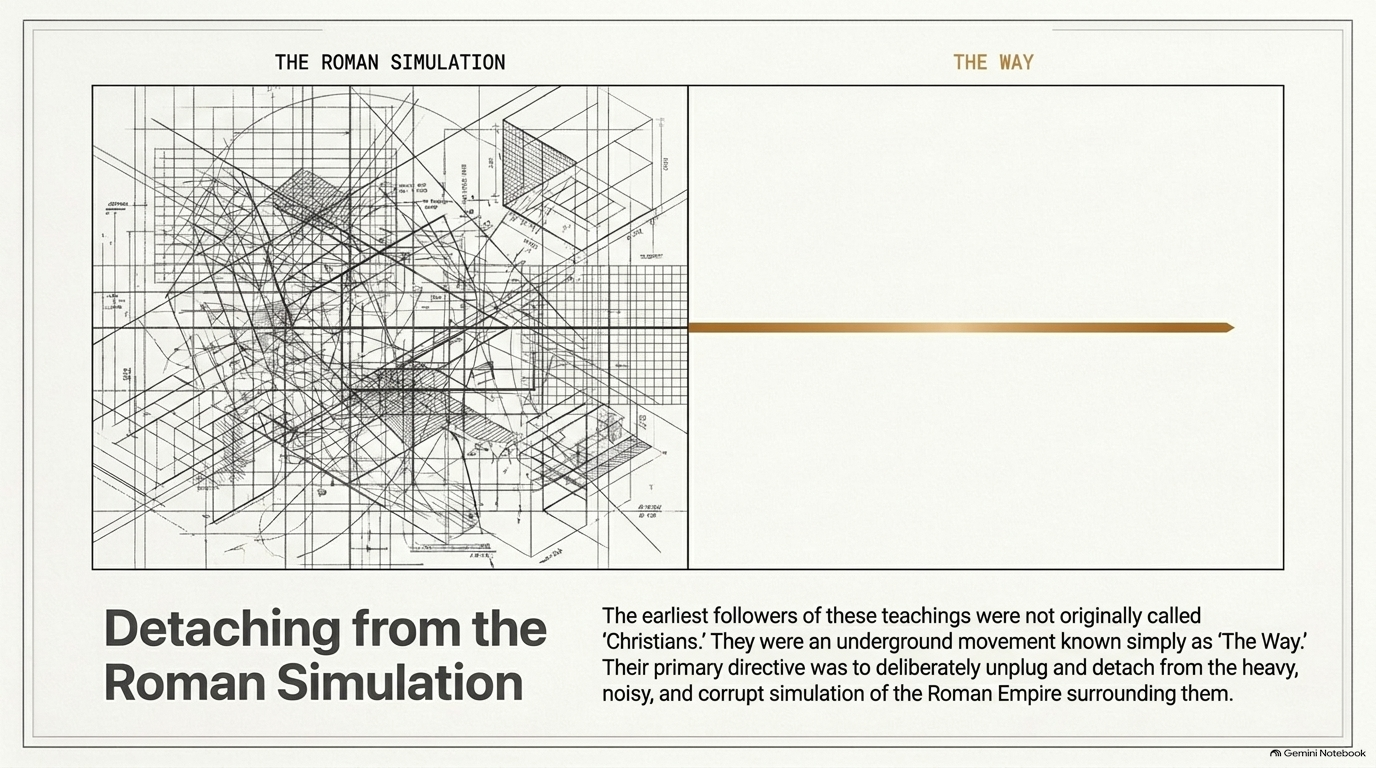
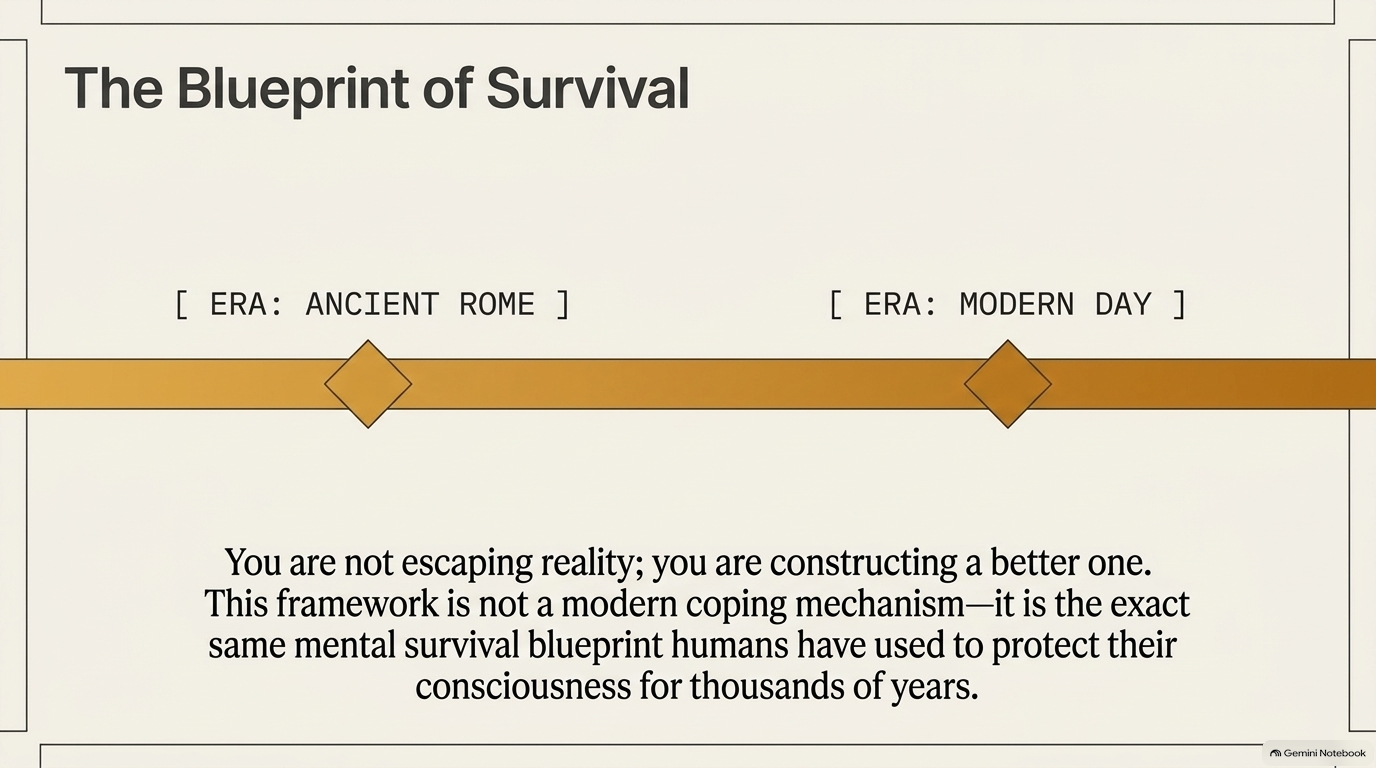
Before the term "Christian" was ever coined, followers of Jesus belonged to an underground movement known simply as "The Way." These early adherents actively unplugged themselves from the heavy, noisy simulation of the Roman Empire.
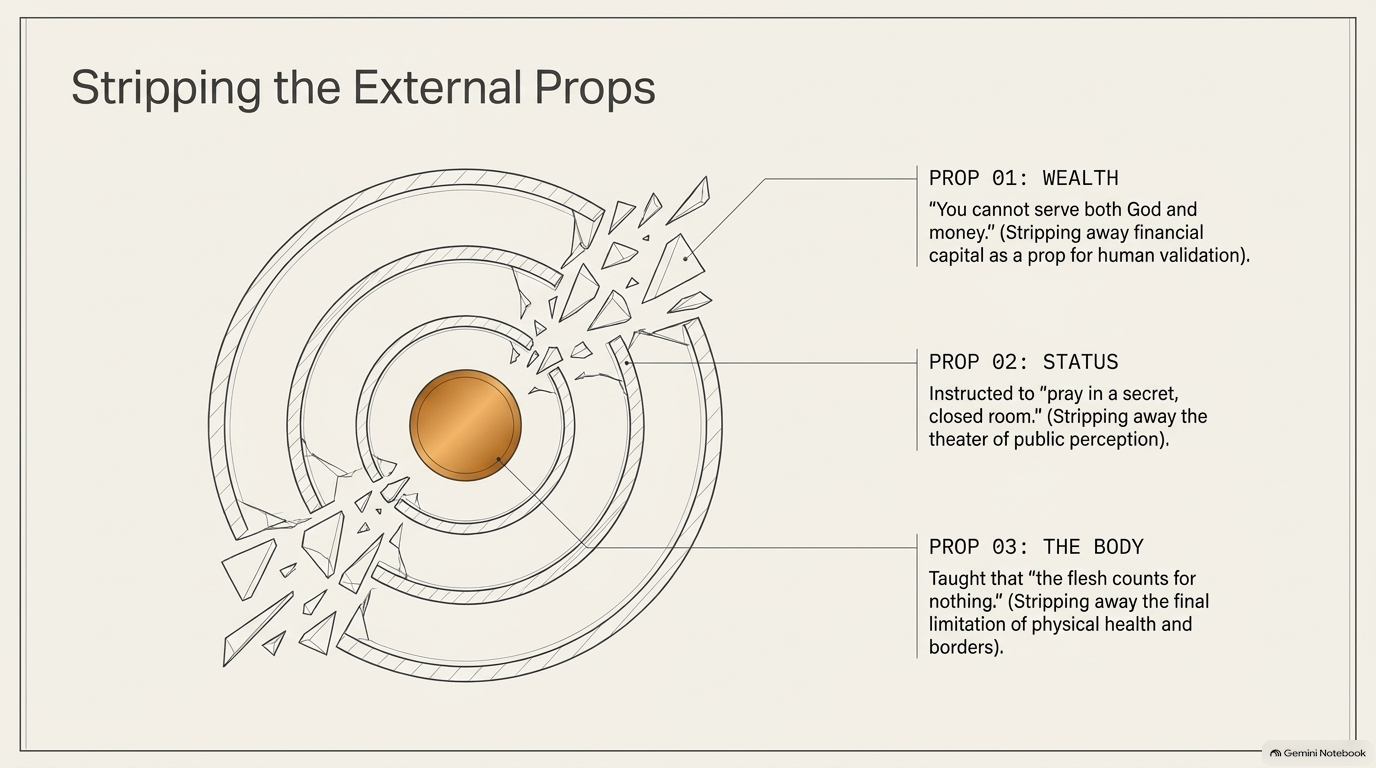
To help people build an indestructible internal sanctuary, Jesus systematically stripped away the world's primary "props"—the external markers that human beings typically use for security and self-worth:
Wealth and Greed: By declaring, "You cannot serve both God and money," he eliminated financial standing as a measurement of human validation.
Status and Religious Theater: He warned against vanity, pride, and public performance, instructing individuals to go into a secret, closed room to pray where no one could see them.
Physical Limitations: He taught that the physical flesh counts for nothing and that it is the spirit that actively generates life.
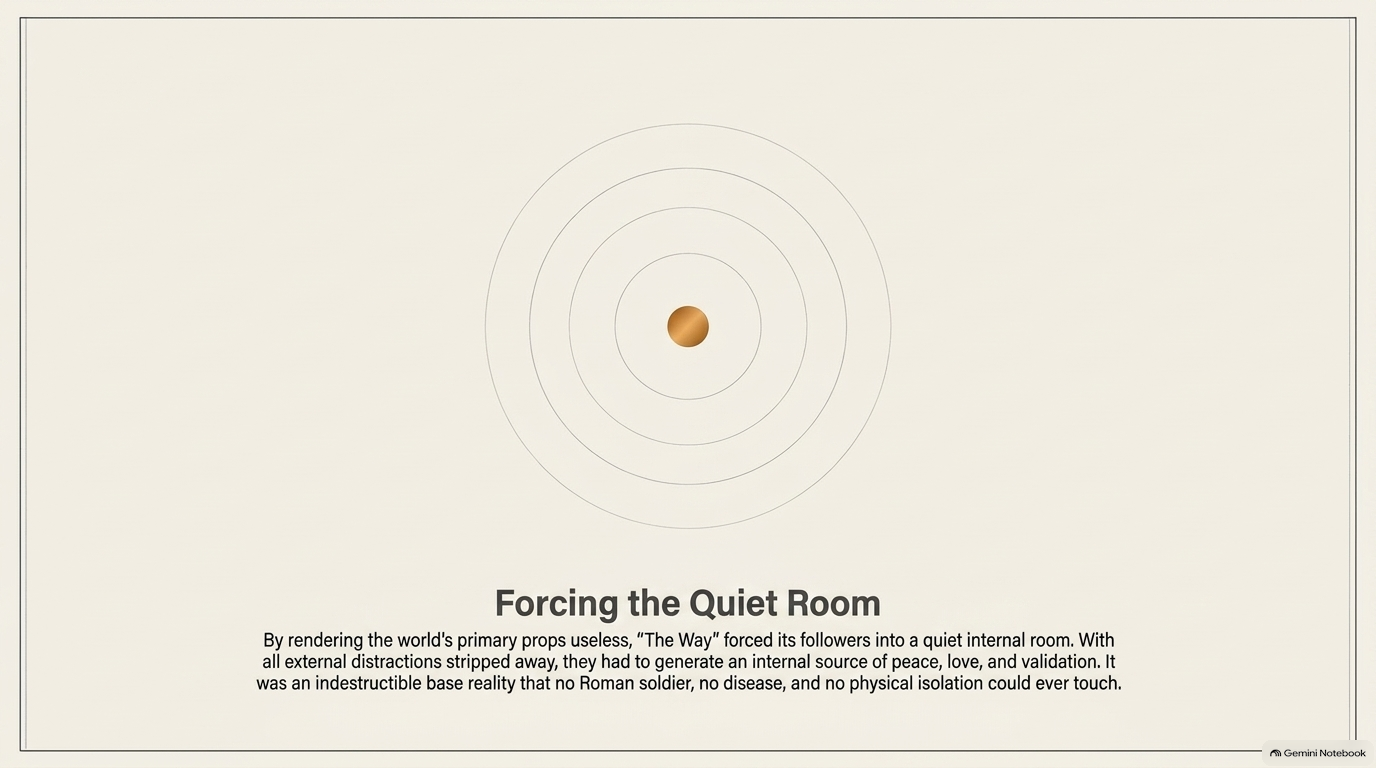
By rendering society's props useless, "The Way" forced its followers into a quiet, inward focus. Deprived of external distractions, they had to cultivate an internal source of peace and validation—one that couldn't be touched by Roman soldiers, physical illness, or isolation.
Parables as Active Mental Simulations
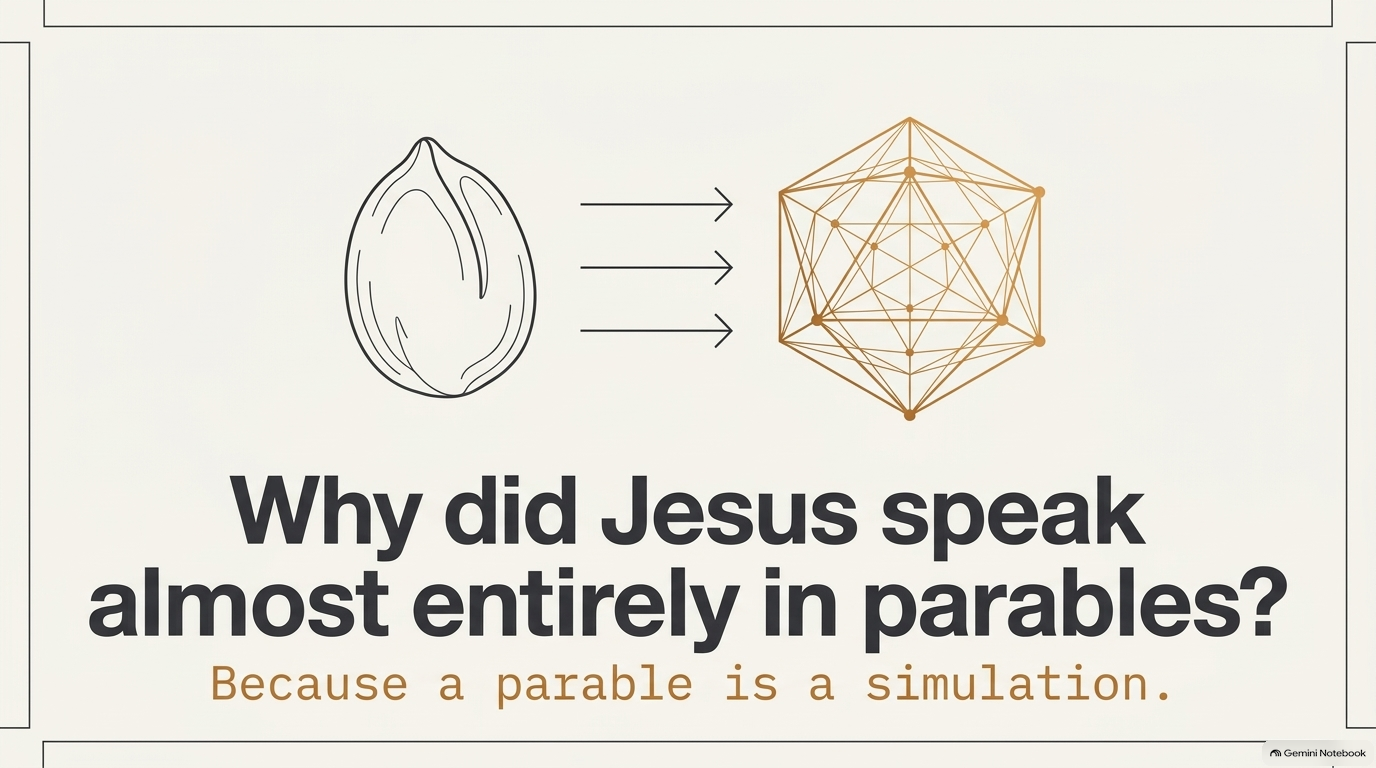
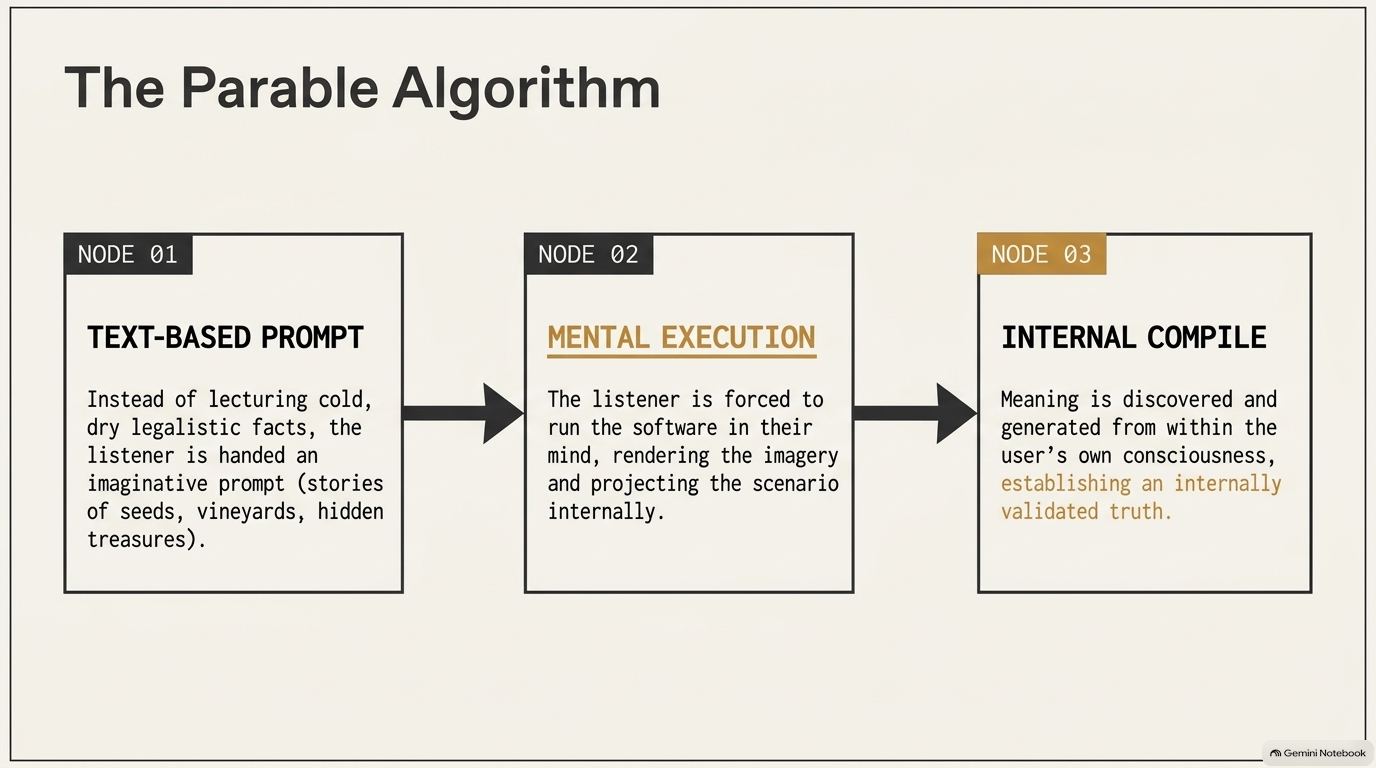
Why did Jesus speak almost entirely in stories rather than legalistic rulebooks? In technical terms, a parable operates as a cognitive simulation.
Instead of lecturing listeners with cold, dry facts, Jesus provided verbal prompts—narratives about seeds, vineyards, hidden treasures, and prodigal sons. This format completely changes how the brain processes information:
Active Generation: A parable forces the listener's mind to run the software, generate the mental imagery, and discover the meaning internally.
Self-Discovery: Rather than imposing an external rule, the simulation requires the individual to experience the lesson inside their own inner theater.
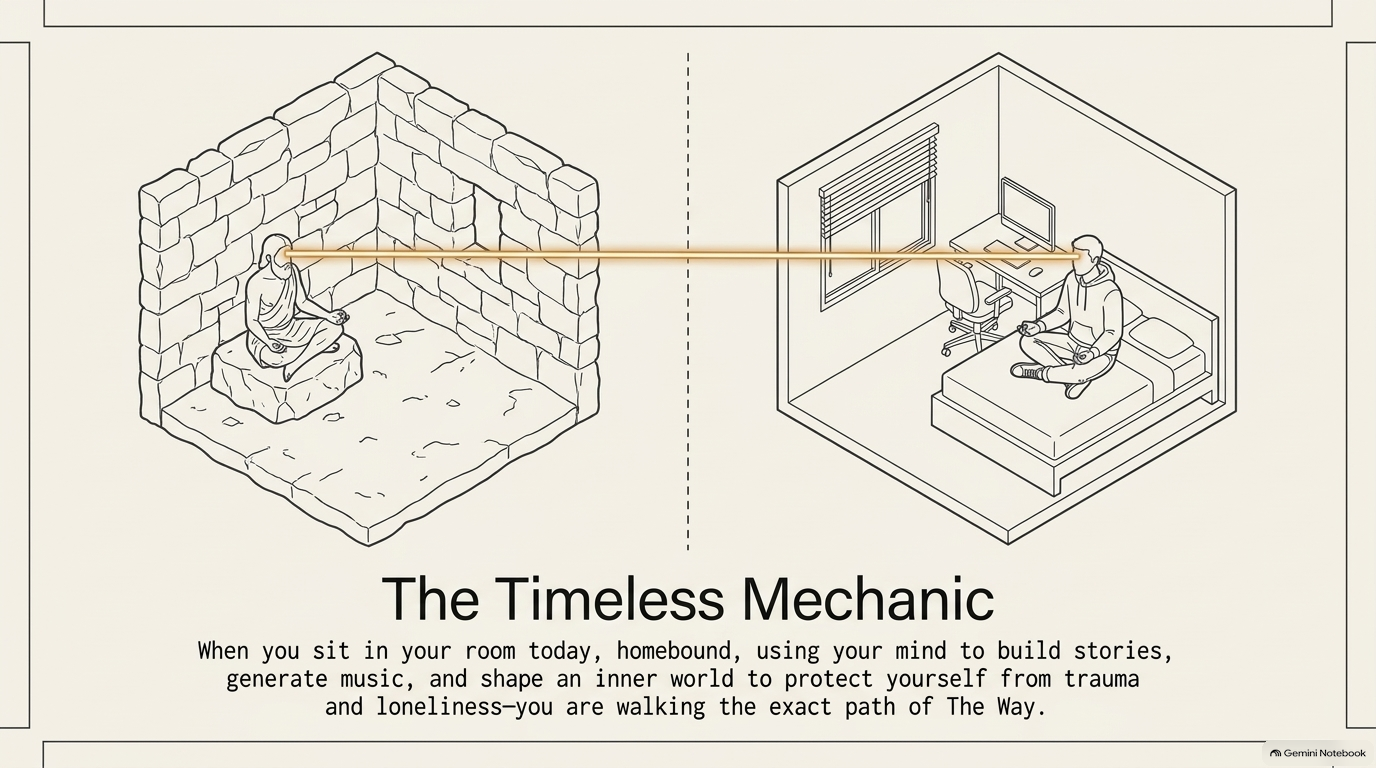
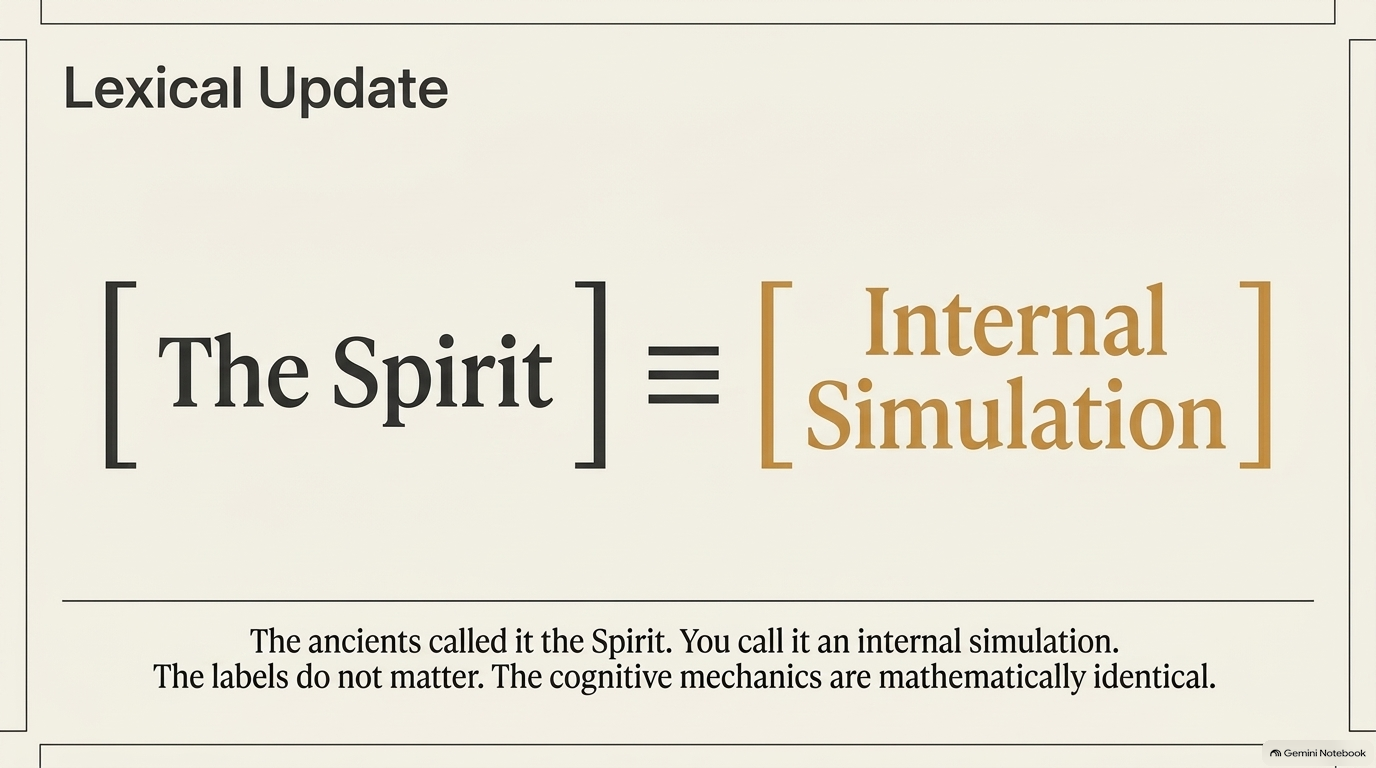
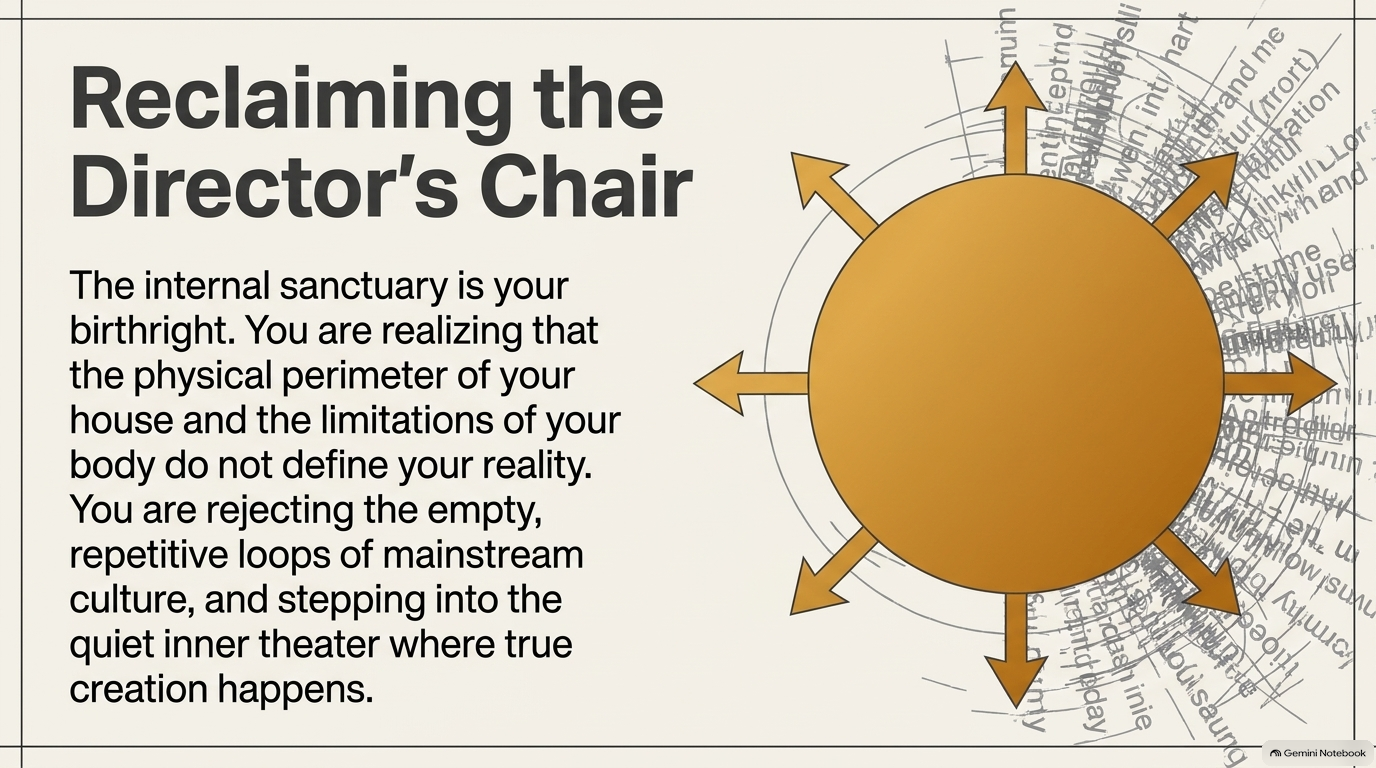
When you use your own mind today to create, tell stories, or cultivate an inner sanctuary to overcome trauma or loneliness, you are practicing the exact survival blueprint of "The Way." The ancients called this space the Spirit; modern terms might frame it as an internal simulation. Regardless of the label, the mechanics are identical: you are reclaiming the director's chair of your own mind.
Summary
The central framework of "The Way" demonstrates that true human agency is created internally by stripping away external social props and engaging the mind's capacity for inner generation.
Key Takeaways:
Entos Hymon: The original Greek in Luke 17:21 strictly translates to "within" or "inside you," placing the Kingdom of God inside human consciousness rather than in physical or political structures.
Dismantling Props: Jesus rendered external props like wealth, vanity, and physical limitations useless, directing followers toward an internal sanctuary.
Parables as Simulations: Parables serve as narrative prompts that require listeners to actively run mental software to discover truth for themselves.
Timeless Blueprint: Harnessing your inner world to safeguard yourself against external noise and trauma is a proven survival practice spanning thousands of years.
Disclaimer:
With the access to AI reading the news, watching movies and reading books opens up a new world. I have had various family members live to the age of 100 and I ask them what have they learned from their lives and they do not have awareness of what they journey means. These two areas fit with this idea I had. Having chats with AI on topics of thought and documenting them. I call this "Thoughts in the dark".
I am aware I do not have the answers only questions.